 Skip to content

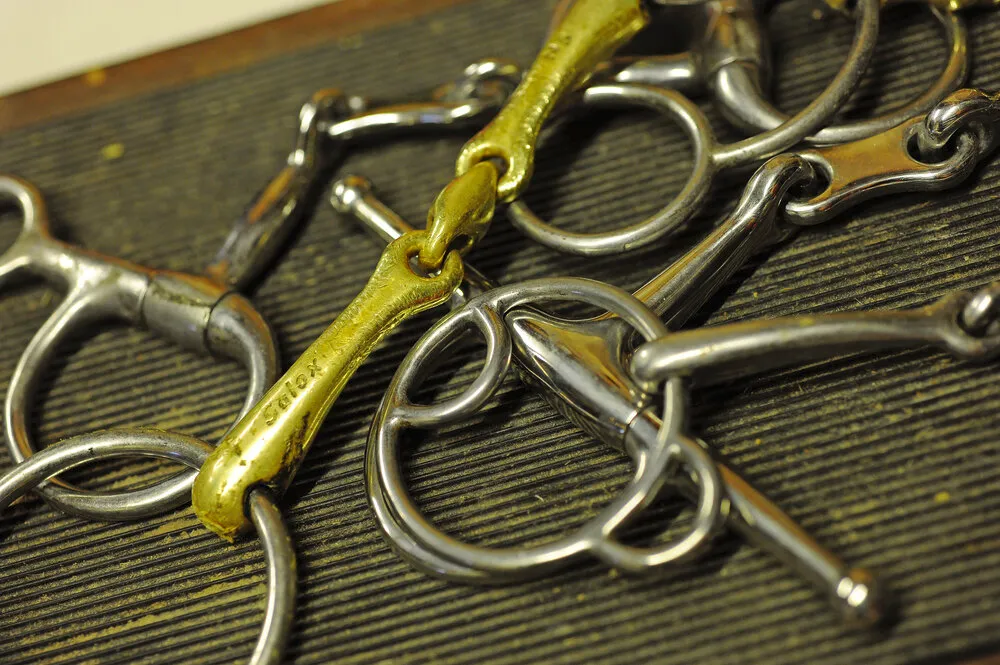
Would you clean your teeth with a dirty toothbrush?
Of course not. Yet dirty bits are far more common than they should be.
A bit sits in a very sensitive, fleshy environment that is already vulnerable to damage — especially when combined with:
- Dental issues such as diastema or fractured teeth
- Existing rubs, cuts, or abrasions within the oral cavity
Add dried feed and saliva to the mix and you’ve created the perfect breeding ground for irritation, infection, and delayed healing.
Why dirty bits cause real problems
- Dried residue around the join between the mouthpiece and cheekpiece rings often becomes rough, increasing friction.
- This leads to rubbing, soreness, splits, and tears at the corners of the lips — and once damaged, healing is slowed dramatically.
- Feed or saliva encrusted in joints, barrels, or rings can restrict movement and alter the balance of the bit’s action, which directly affects how your horse responds.
- Dirt can camouflage wear, damage, or sharp edges, particularly on synthetic bits — problems often go unnoticed until sores appear.
- Poor hygiene can accelerate corrosion and material breakdown, making the bit unsafe.
What to do If your bit squeaks…
Not only is it deeply annoying, it’s a warning sign.
A squeaking bit usually means:
- Dirt trapped in the joints
- Early corrosion
- Restricted movement where the bit should be free
What to do:
Add a small squirt or drizzle of vegetable oil, then work the offending joint thoroughly until it moves freely and the squeak disappears. Wipe off any excess before use.
How to clean your bits — properly

- Dishwasher (if you have one): one of the most effective ways to achieve a thorough clean.
- Day-to-day care: a warm, damp cloth after each ride makes a huge difference.
- A small drop of Milton fluid can help with sterilisation when needed.
Avoid dunking bits while attached to the bridle
This can harden leather cheekpieces and damage reins — especially problematic if you change bits regularly.
Seasonal common sense (your horse will notice)
- Winter: never put a freezing cold bit into a horse’s mouth.
Wrap it overnight or warm it in lukewarm (not hot) water. - Summer: avoid hanging bits on the side of the lorry or trailer in direct sun — burnt lips and tongues are a very real risk.
One habit that makes all the difference
Always feel the bit before you offer it to your horse.
- Clean. Smooth. Free-moving.
- Your horse will thank you for it.


